Walking your dog should be an enjoyable part of your daily routine, not a constant struggle. However, when your dog pulls, lunges, or constantly moves ahead, even a short walk can become frustrating. The good news is that dogs can learn better walking habits with patience, consistency, and clear communication. With proper dog leash training in Avondale, AZ, owners can help their dogs develop calmer walking behavior and respond more reliably during everyday outings. Craven K9 Solutions focuses on building stability, confidence, and clarity to help dogs become more manageable in real-world situations.
Why Does Your Dog Pull on the Leash?
Dogs pull on the leash for several reasons. Understanding the cause can help you choose the right training approach.
Excitement and distractions: Dogs naturally want to explore their surroundings. Interesting smells, other dogs, people, and outdoor activity can make them eager to move forward.
Lack of consistent training: If pulling allows your dog to reach something it wants, the behavior can become a habit. Dogs may not understand that walking calmly beside their handler is expected.
Fear or reactivity: Some dogs pull because they feel nervous or overwhelmed. They may try to approach another dog, move away from something frightening, or react to unfamiliar people and situations.
Identifying why your dog pulls is the first step toward improving leash manners.
How Do You Stop a Dog from Pulling on the Leash?
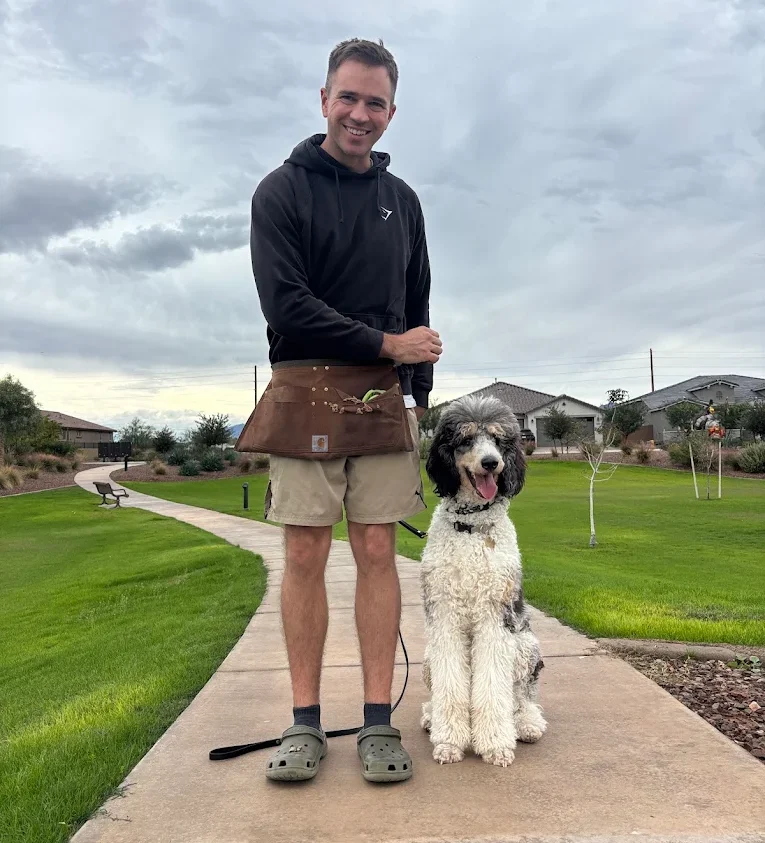
Stopping leash pulling requires consistent expectations and positive reinforcement. The goal is to teach your dog that walking with a relaxed leash is more rewarding than pulling ahead.
1. Start Training in a Low-Distraction Area
Begin somewhere familiar and quiet, such as inside your home or in your backyard. This gives your dog an opportunity to focus without competing with too many distractions.
Practice walking a short distance while keeping your dog near you. Reward calm behavior and attention. Once your dog begins responding consistently, gradually introduce more challenging environments.
2. Reward Your Dog for Walking Beside You
Reward your dog when it walks near you with a loose leash. You can use treats, verbal praise, or another reward your dog enjoys.
Timing matters. Reward the behavior you want to encourage while your dog is walking calmly rather than waiting until it starts pulling again.
Over time, your dog can begin to understand that staying connected with you makes the walk continue.
3. Stop Moving When the Leash Becomes Tight
One common approach is to stop walking whenever your dog pulls. Wait for the leash to relax and your dog to reconnect with you before continuing.
This teaches an important lesson: pulling does not move the walk forward.
Avoid repeatedly yanking the leash or turning every walk into a physical struggle. Focus on consistent handling and clear communication.
4. Practice Short, Consistent Training Sessions
You do not need to turn every walk into a long training session. Start with manageable practice periods and repeat the same expectations regularly.
Consistency between family members is also important. If one person allows pulling while another expects calm walking, your dog may receive confusing signals.
How Do You Teach a Dog to Walk on a Loose Leash?
Loose-leash walking means your dog can walk comfortably with you without keeping constant tension on the leash. It does not necessarily mean your dog must remain in a strict heel position throughout the entire walk.
Start by rewarding your dog for staying near you and responding to your movement. If your dog gets distracted, calmly regain its attention before continuing.
As your dog improves, introduce more challenging environments. You might progress from your backyard to a quiet sidewalk and eventually to busier public areas.
Avoid increasing distractions too quickly. A dog that walks well at home may struggle around unfamiliar dogs, traffic, or exciting outdoor activity. Gradual practice helps build more reliable walking habits.
What Are Common Leash Training Mistakes to Avoid?
Even well-intentioned owners can accidentally reinforce leash pulling. Watch out for these common mistakes:
- Allowing pulling sometimes: Inconsistent expectations make it harder for your dog to understand what behavior is acceptable.
- Using too much force: Constant leash corrections or frustration can increase tension and make walks more difficult.
- Expecting immediate results: Dogs learn at different rates. Some may develop better habits quickly, while others need more structured practice.
- Ignoring distractions: Training only in quiet environments may not prepare your dog for real-world walking situations.
Remember that progress comes from repetition, patience, and clear expectations.
What If Your Dog Pulls, Barks, or Lunges at Other Dogs?
Not all leash pulling is ordinary excitement. If your dog barks, growls, lunges, or becomes difficult to control around other dogs or people, the behavior may involve leash reactivity.
Reactivity can be associated with fear, frustration, anxiety, or previous experiences. Simply asking the dog to walk beside you may not address the underlying issue.
Give your dog enough distance from triggers to remain manageable, avoid forcing interactions, and prioritize safe handling. If the reactions are intense or difficult to manage, consider seeking professional dog behavior training.
An individualized assessment can help identify the dog’s specific challenges and determine an appropriate training approach.
How Can Professional Dog Training Help Stop Leash Pulling in Avondale, AZ?
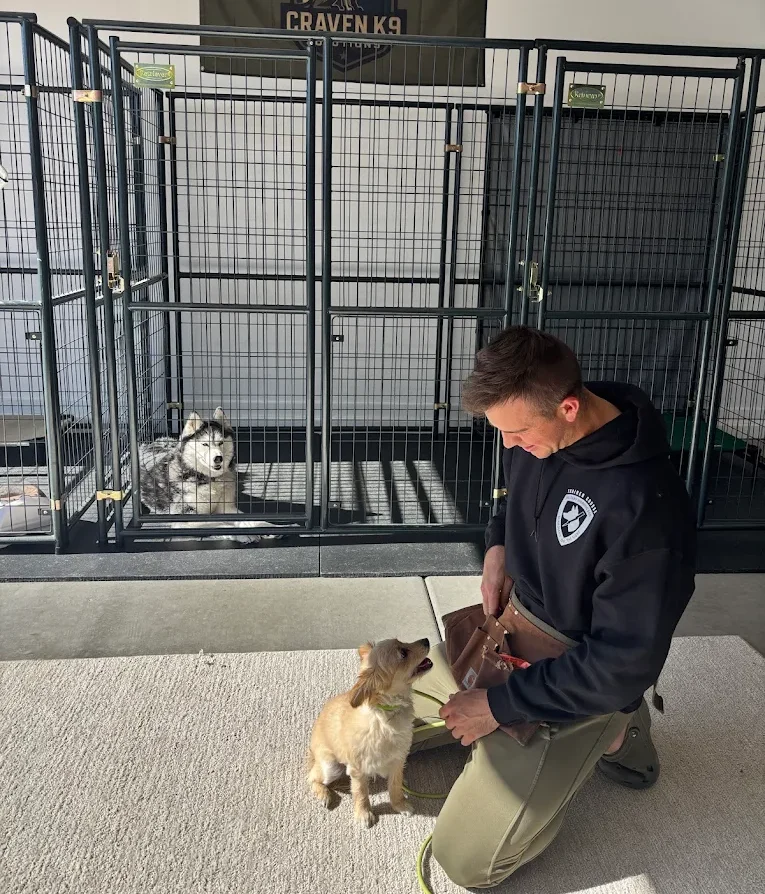
Professional dog training can help owners understand why their dogs pull and develop a structured plan to improve obedience and walking behavior.
At Craven K9 Solutions, training is built around three principles: stability, confidence, and clarity. The goal is to develop reliable behaviors that carry over into everyday situations, not just controlled training environments.
The company’s Board & Train and behavior rehabilitation programs are customized to each dog’s needs. Foundational obedience includes loose-leash walking, recall, place training, kennel training, and other essential skills.
Owners also receive guidance to help maintain progress after training. This is important because consistent handling and practice at home play a major role in long-term results.
Frequently Asked Questions About Dog Leash Training
How Long Does It Take to Train a Dog to Walk on a Leash?
The timeline depends on your dog’s age, temperament, previous experiences, and consistency of practice. Dogs with established pulling habits may need more time and structured training. Regular reinforcement helps maintain progress.
Should I Stop Walking My Dog If It Pulls?
Not necessarily. If walks are safe and manageable, you can continue while working on leash manners. However, avoid allowing pulling to become the normal way your dog moves forward. If you cannot safely control your dog, seek professional guidance.
Is a Harness or Collar Better for a Dog That Pulls?
The right equipment depends on your dog’s size, behavior, physical needs, and your ability to handle the leash safely. No piece of equipment replaces proper training. A professional can help you determine what is appropriate for your dog.
Can an Older Dog Learn to Walk on a Loose Leash?
Yes. Older dogs can learn new walking habits. They may need additional patience if pulling has been reinforced for years, but age alone does not prevent improvement.
Get Help With Dog Leash Training in Avondale, AZ
A dog that pulls on the leash can make everyday walks stressful, but better walking habits are possible with consistent training and clear communication. Whether your dog needs basic obedience support or help with more challenging behavior, the right approach starts with understanding its individual needs.
Craven K9 Solutions helps dog owners build better behavior through structured, individualized training focused on stability, confidence, and clarity.
Ready to make walks more manageable? Contact Craven K9 Solutions to discuss your dog’s training needs and schedule a consultation.
Craven K9 Solutions
- Address: 11022 W Hadley St, Avondale, AZ 85323, United States
- Phone: 407-967-3222
- Email: cravenk9solutions@gmail.com
- Craven K9 Solutions on Google Maps
Take the first step toward calmer walks and more reliable leash manners with professional dog training.