If you’ve ever felt stuck trying to help your dog through ongoing behavior problems, you’re not alone. Many Arizona dog owners struggle with issues like fear, anxiety, reactivity, and aggression that go beyond basic obedience. That’s where behavior rehabilitation makes a real difference.
Behavior rehabilitation isn’t just about teaching a dog to sit or stay. It’s a structured, evidence‑based approach focused on addressing why unwanted behaviors happen and creating lasting change. In Arizona’s unique environment, where outdoor life and social situations are part of daily routines, effective behavior rehabilitation can dramatically improve your dog’s confidence, focus, and quality of life.
In this guide, we’ll walk through what behavior rehabilitation actually is, how it works, proven strategies that get results, and why local expertise matters for dogs in Avondale and the greater Phoenix area.
What Is Behavior Rehabilitation?
At its core, behavior rehabilitation is a specialized form of training designed to help dogs overcome deep‑rooted behavioral issues. These are behaviors that don’t respond to basic obedience training alone and often stem from emotional reactions rather than lack of commands.
Common issues that benefit from behavior rehabilitation include:
- Fear‑based reactions to new people, places, or dogs
- Severe leash reactivity (lunging, barking, snapping)
- Aggression directed at people or other animals
- Anxiety when left alone or in unfamiliar environments
- Hyper‑reactivity in outdoor or busy settings
Superior behavior rehabilitation focuses on retraining emotional responses and teaching a dog how to remain calm and confident even when faced with triggers.
How Behavior Rehabilitation Works
Effective behavior rehabilitation follows a structured path that’s much more than “dog obedience.” It’s based on assessment, intentional training techniques, and ongoing support.
1. Comprehensive Behavior Assessment
The first step in behavior rehabilitation is a detailed assessment of your dog’s temperament, triggers, and reactions. This helps trainers understand:
- Which behaviors are most problematic
- What triggers them
- How intense the reaction is
- Whether underlying fear or anxiety is present
A thorough evaluation sets the foundation for a customized behavior plan tailored to your dog’s specific needs. This is a crucial step that separates behavior rehabilitation from casual training.
2. Customized Behavior Modification Plan
Once the assessment is done, the trainer designs a personalized plan that includes:
- Gradual exposure to triggers
- Controlled scenarios to reduce fear responses
- Structured exercises to build confidence
- Consistent reinforcement of desired behavior
This involves techniques like desensitization and counterconditioning, which help reshape your dog’s emotional response to things it once found stressful or frightening.
3. Structured Rehabilitation Programs
Programs that focus on behavior rehabilitation tend to be immersive and consistent. That could look like:
- Multi‑week board and train programs
- Regular sessions with a professional behaviorist
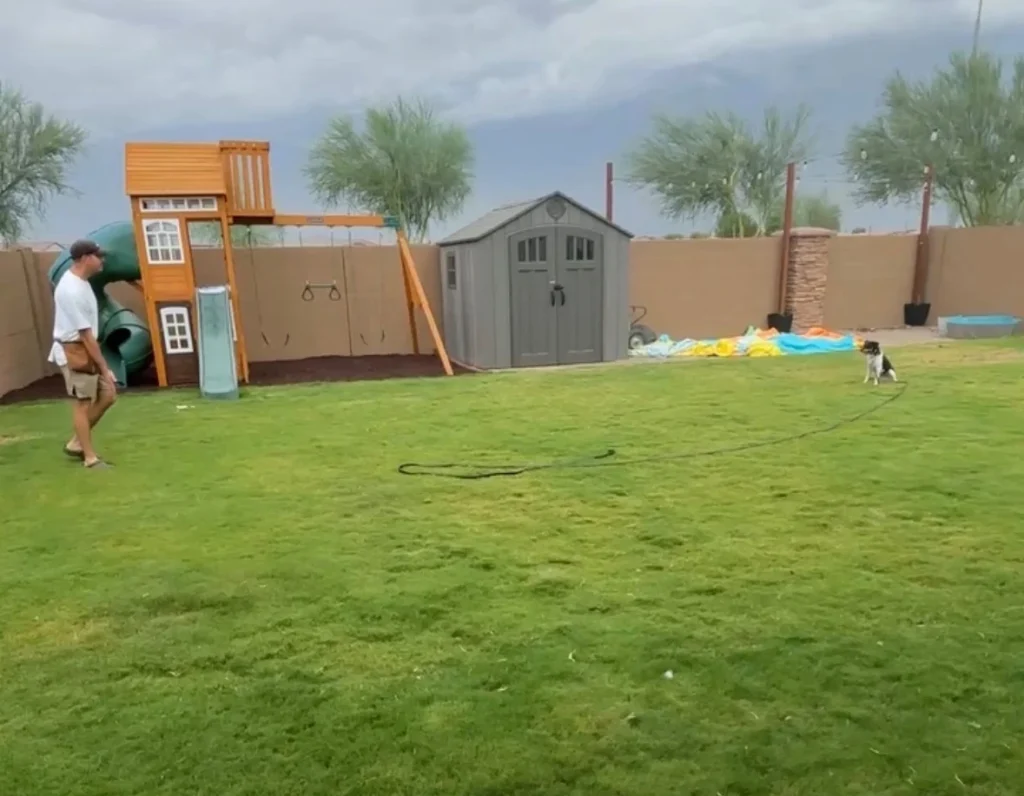
- Guided practice in real‑world settings
- Controlled exposure to triggers
Structured rehabilitation builds a foundation that’s far more reliable than short, inconsistent training sessions.
4. Owner Education and Reinforcement
One of the biggest mistakes owners make is thinking all the work happens with the trainer. The truth is that lasting success requires the owner’s participation.
An essential part of behavior rehabilitation is teaching you how to reinforce what your dog learns. This includes:
- How and when to reward good responses
- How to set up environments for continued success
- Tools to manage triggers at home or in public
Without owner education, dogs often revert to their old habits once they leave the training environment.
What Works Best in Dog Behavior Rehabilitation
Let’s break down the core techniques that are proven to work when applied consistently and correctly.
1. Positive Reinforcement
Rewarding behaviors you want to see is one of the most effective tools in rehabilitation training. Rather than punishing unwanted behavior, positive reinforcement:
- Encourages calm responses
- Strengthens the dog‑owner bond
- Makes learning enjoyable and repeatable
Treats, praise, and toys are commonly used to reward desired behavior. Over time, your dog associates good choices with positive outcomes.
2. Desensitization and Counterconditioning
Two advanced techniques at the heart of behavior rehab are desensitization and counterconditioning.
Desensitization means exposing your dog to a trigger at a low level, then gradually increasing intensity only as the dog remains calm.
Counterconditioning pairs the trigger with something your dog loves, like treats or play, so their emotional response shifts from fear or aggression to anticipation.
These techniques are especially effective for dogs with fear, anxiety, or reactivity.
3. Confidence Building
A confident dog is less likely to escalate into stress or aggression when faced with everyday stimuli. Confidence building might include:
- Structured play
- Problem‑solving exercises
- Teaching new commands in controlled settings
- Gradual exposure to new environments
Over time, dogs learn that new places and challenges are safe and manageable.
4. Clear Communication and Routine
Dogs thrive on clarity and consistency. That means clear cues from you and predictable expectations:
- Use consistent commands
- Keep routines structured
- Respond predictably to behavior
When dogs understand what you expect, they behave more reliably in everyday life.
How Behavior Rehabilitation Differs from Obedience Training
It’s important to understand that behavior rehabilitation is not just advanced obedience.
Traditional obedience focuses on basic commands like sit, stay, or come. While helpful, these don’t fix emotional triggers or deep‑rooted reactions.
Behavior rehabilitation digs deeper by:
- Addressing the cause of the behavior
- Retraining emotional responses
- Offering coping strategies for your dog
- Focusing on calm and confidence, not just compliance
Why Arizona Dog Owners Should Consider Professional Rehabilitation
Arizona’s lifestyle often means frequent outdoor activities, interaction with other dogs, and social environments where behavior challenges can show up. Whether you live in Avondale, Phoenix, or nearby communities, you want a dog that:
- Is safe around people and other pets
- Can relax at home and in public
- Responds calmly in stressful situations
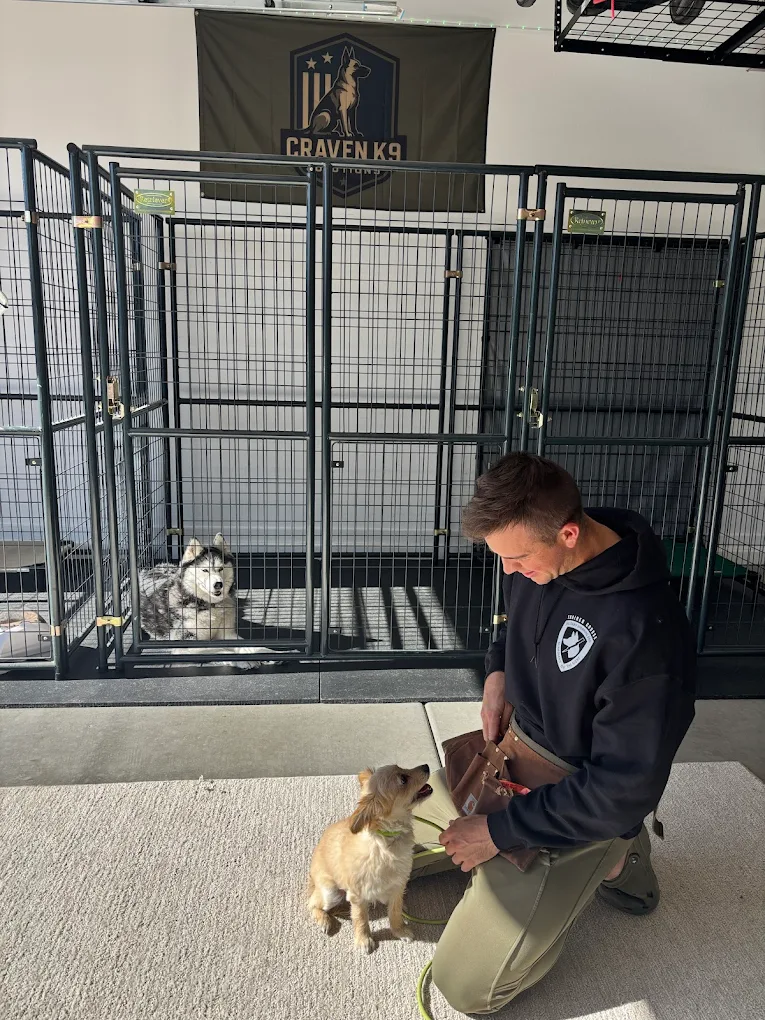
That’s where a professional, structured approach like that offered by Craven K9 Solutions stands out. Based in Avondale, AZ, Craven K9 Solutions specializes in behavior rehabilitation for dogs with fear, reactivity, anxiety, and aggression and supports owners through every step of the process.
Their programs are designed to create lasting change, not quick fixes, and include ongoing guidance so you can maintain progress after the core training is complete.
Success Stories: Real Results in Arizona
Many Arizona pet owners find that behavior rehabilitation leads to transformational results:
- Dogs that once lunged during walks now walk calmly
- Fearful dogs become confident in new environments
- Aggressive responses are reduced through structured exposure
- Owners feel empowered and equipped to manage future challenges
These outcomes are more than visible obedience. They create calmer, safer, and happier relationships between dogs and owners.
Common Questions About Behavior Rehabilitation
What issues can behavior rehabilitation address?
Behavior rehab is ideal for reactivity, aggression, anxiety, fear, and other deep‑rooted behavior challenges that basic obedience can’t fix.
How long does rehabilitation take?
Programs vary, but many dogs show noticeable improvement within weeks. Full behavior change depends on consistency and follow‑through.
Is it better than traditional training?
For serious behavior issues, yes. Rehabilitation addresses emotional causes, not just surface behavior.
How to Get Started
If your dog is struggling with behavior issues in Arizona, a structured behavior rehabilitation program can make a significant difference. Start with an evaluation to:
- Identify triggers and patterns
- Discuss goals and challenges
- Determine the best rehabilitation plan
For trusted local expertise, reach out to Craven K9 Solutions. They’ll guide you through the process, design a program tailored to your dog, and support your progress every step of the way.
Conclusion
Behavior rehabilitation is the most effective way to help dogs overcome deep‑seated behavior problems. Unlike basic obedience, rehabilitation focuses on changing emotional responses and building confidence. With proven techniques like positive reinforcement, desensitization, and owner education, dogs learn to navigate the world calmly and reliably.
If you’re in Avondale or the greater Phoenix area, professional support from trainers who understand local needs and triggers can make all the difference.
Contact Craven K9 Solutions
- Address: 11022 W Hadley St, Avondale, AZ 85323, United States
- Phone: 407‑967-3222
- Email: cravenk9solutions@gmail.com